Fitness Tips and Workout Routines
Welcome to the fitness section of Vitality Hub! Here, you'll find valuable tips and workout routines to help you achieve your fitness goals. Whether you're a beginner or an experienced athlete, we have something for everyone. Remember, consistency and proper form are key to seeing results and preventing injuries.
Tip 1: Start Slowly and Gradually Increase Intensity
It's crucial to begin your fitness journey at a comfortable pace. Don't try to do too much too soon. Starting slowly allows your body to adapt and reduces the risk of injuries. Gradually increase the intensity, duration, or frequency of your workouts as you get stronger and more conditioned. Listen to your body and rest when needed. Pushing yourself too hard can lead to burnout or injury. Consider starting with 30-minute walks three times a week and gradually increasing the duration and pace. Incorporate light strength training exercises with bodyweight or light weights.
Tip 2: Focus on Proper Form
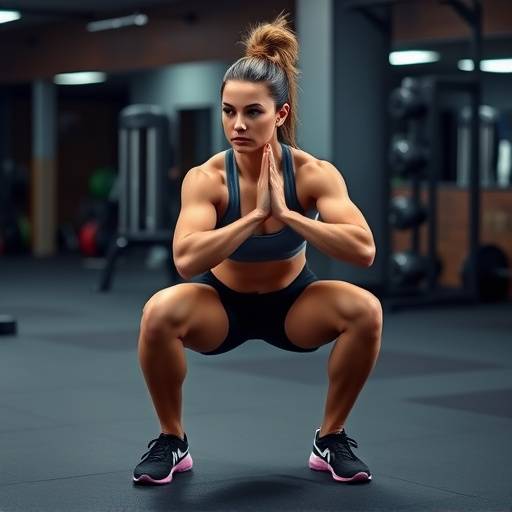
Maintaining proper form is essential for maximizing the effectiveness of your workouts and minimizing the risk of injuries. Watch videos, read articles, or consult with a fitness professional to learn the correct technique for each exercise. If you're unsure about your form, it's better to use lighter weights or fewer repetitions until you master the technique. Poor form can lead to muscle strains, joint pain, and other injuries. For example, when performing squats, ensure your knees don't go past your toes and maintain a straight back.
Tip 3: Stay Hydrated
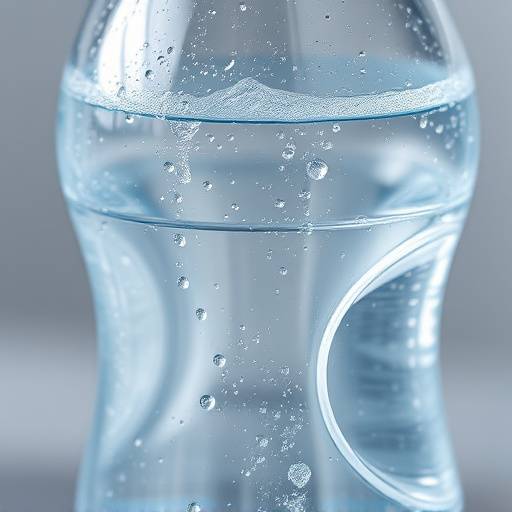
Drinking enough water is crucial for optimal performance and recovery. Dehydration can lead to fatigue, muscle cramps, and decreased performance. Drink water before, during, and after your workouts. Aim for at least eight glasses of water per day, and more if you're exercising vigorously. Consider carrying a water bottle with you throughout the day to remind yourself to stay hydrated. Avoid sugary drinks and excessive caffeine, as they can dehydrate you.
Beginner Full Body Workout
This workout is designed for beginners and can be done at home with minimal equipment. Perform each exercise for 30 seconds, followed by 15 seconds of rest. Repeat the entire circuit 2-3 times.
-
Jumping Jacks:
 A classic cardio exercise to warm up your body.
-
Bodyweight Squats:
 Strengthen your legs and glutes.
-
Push-ups (on knees if needed):
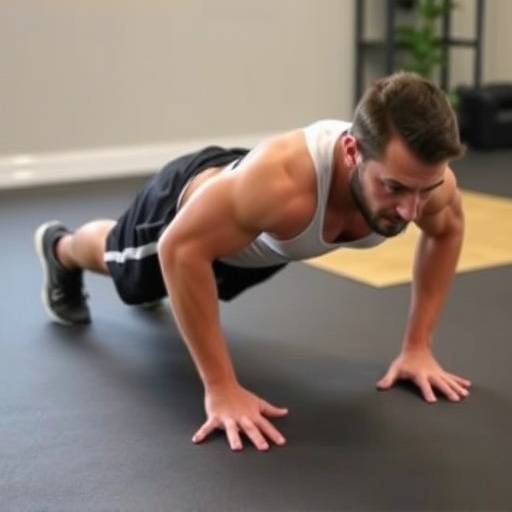 Strengthen your chest, shoulders, and triceps.
-
Plank:
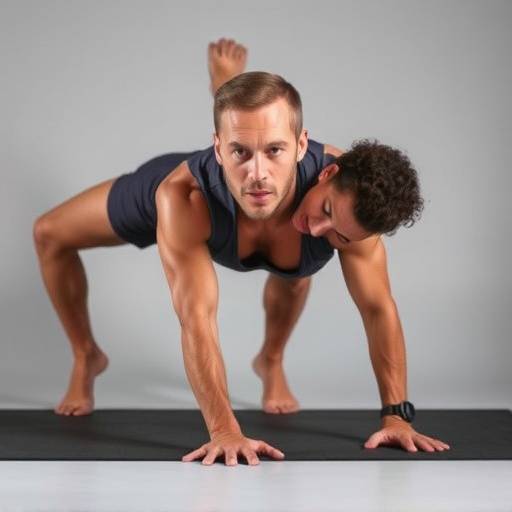 Engage your core and improve stability.
-
Lunges:
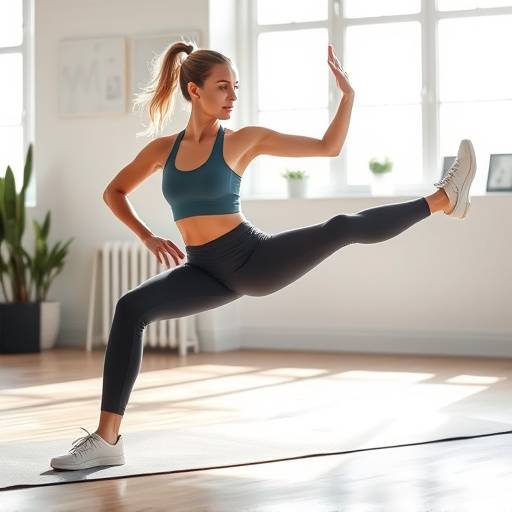 Strengthen your legs and improve balance.
Intermediate Strength Training Routine
This routine is for those with some strength training experience. Perform 3 sets of 10-12 repetitions for each exercise. Rest for 60 seconds between sets.
-
Dumbbell Bench Press:
 Strengthen your chest, shoulders, and triceps.
-
Dumbbell Rows:
 Strengthen your back and biceps.
-
Overhead Press:
 Strengthen your shoulders and triceps.
-
Deadlifts:
 Engage your entire body and build strength. (Consult a professional for proper form).
-
Dumbbell Lunges:
 Strengthen your legs and improve balance.
Tip 4: Incorporate Variety into Your Workouts
Doing the same workouts repeatedly can lead to boredom and plateaus. Incorporate variety into your routine by trying different exercises, activities, and formats. This can help you stay motivated and challenge your body in new ways. Try swimming, cycling, hiking, yoga, or dance classes. Experiment with different training styles, such as HIIT (high-intensity interval training) or circuit training. Mixing things up keeps your workouts fun and engaging, which increases the likelihood of sticking to your fitness plan.

Tip 5: Get Enough Sleep
Sleep is crucial for muscle recovery and overall health. Aim for 7-9 hours of quality sleep each night. During sleep, your body repairs and rebuilds muscle tissue. Lack of sleep can lead to fatigue, decreased performance, and increased risk of injuries. Establish a regular sleep schedule and create a relaxing bedtime routine to improve your sleep quality. Avoid caffeine and alcohol before bed, and create a dark, quiet, and cool sleep environment. Refer to our Sleep Hygiene page for more tips.

Tip 6: Listen to Your Body and Rest
It's essential to pay attention to your body's signals and rest when needed. Overtraining can lead to fatigue, injuries, and decreased performance. Take rest days to allow your body to recover. If you experience pain, stop the exercise and consult with a healthcare professional. Don't push through pain, as it can worsen the injury. Rest and recovery are just as important as the workouts themselves.

Tip 7: Set Realistic Goals
Setting realistic fitness goals is essential for staying motivated and achieving success. Start with small, achievable goals and gradually increase the challenge as you progress. Avoid setting unrealistic expectations, as this can lead to disappointment and discouragement. Focus on the process and celebrate your accomplishments along the way. For example, instead of aiming to lose 20 pounds in a month, aim to exercise for 30 minutes three times a week.
Tip 8: Fuel Your Body Properly
Nutrition plays a vital role in fitness and overall health. Eat a balanced diet that includes plenty of fruits, vegetables, lean protein, and whole grains. Avoid processed foods, sugary drinks, and unhealthy fats. Fuel your body before and after workouts with nutritious meals or snacks. Consult with a registered dietitian for personalized nutrition advice. Refer to our Healthy Eating page for more information.

Tip 9: Find an Accountability Partner
Having an accountability partner can help you stay motivated and on track with your fitness goals. Find a friend, family member, or colleague who shares your fitness interests and goals. Support each other, encourage each other, and hold each other accountable. Exercising with a partner can also make workouts more fun and enjoyable. Consider joining a fitness class or group to meet new people and find an accountability partner.

Tip 10: Make it a Habit
The key to long-term fitness success is making exercise a habit. Integrate physical activity into your daily routine so it becomes second nature. Schedule workouts into your calendar and treat them like important appointments. Find activities you enjoy and look forward to doing. The more you enjoy exercise, the more likely you are to stick with it. Consistency is key.
"The only bad workout is the one that didn't happen." - Fitness Guru, Anya Sharma
Remember to consult with your doctor before starting any new fitness program. Vitality Hub is dedicated to providing you with the tools and resources you need to live a healthier and happier life. Join our community and start your journey to holistic wellbeing today!